Surface and layout first
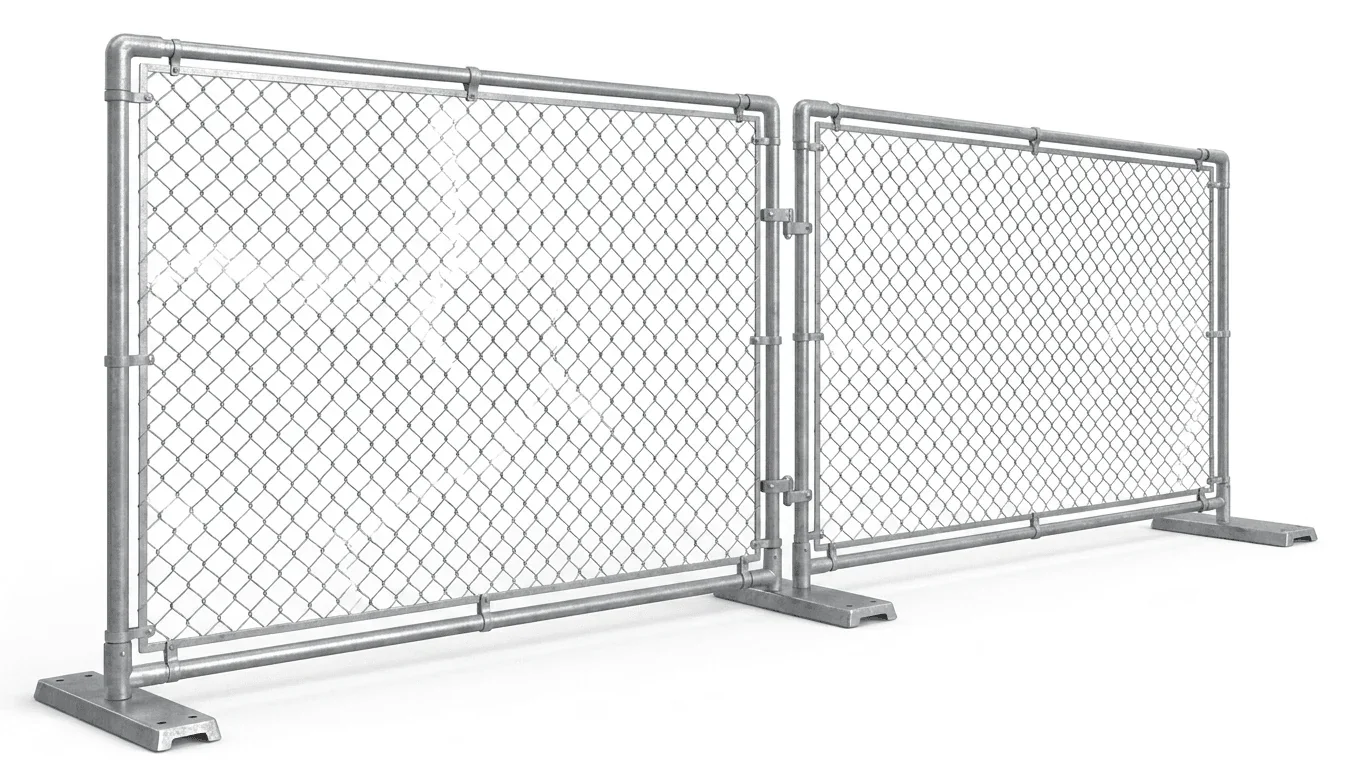
Panel stability depends on how level the run is and how bases contact the ground. On flat slabs, long straight lines reduce trip hazards and speed setup. In the rolling west, break runs into shorter segments that follow grade without leaving gaps at the bottom.
- Identify utility corridors and drainage paths so bases don’t block water after heavy rain.
- Note gate locations for material flow from staging to work fronts.
Exposure to wind and traffic
Open yards near industrial sites can funnel wind across long panel lines. Shorter spans with angled returns resist movement better than single, uninterrupted runs. Near clinics, offices, or retail, pedestrian routes change during the day; visibility and clear detours matter as much as strength.
- Choose site-stability factors or site-stability planning that reflects surface type and expected loads. Final selection follows site policies and manufacturer guidance.
- In humid, wet periods, soft ground can loosen bases; plan inspection intervals per site procedures.
Barricades for indoor and elevated work
For interior maintenance under active operations, low-profile barricades define lift work zones without blocking aisles. On exterior slopes, use layouts that create level work pockets for scissor or boom staging, keeping approach paths open. If the task requires reaching over obstacles, consider whether an articulating boom (/articulating-boom-lift-rental/) or telescopic boom (/telescopic-boom-lift-rental/) will stage safely within the barricaded area.
Coordination with other site products
Containers, generators, and lifts change flows around fencing. In flat distribution facilities, straight runs can separate foot traffic from forklifts. In hilly commercial sites, stepped layouts preserve access to doors and ramps while maintaining clear lines of sight.
Quick checklist to narrow options
- Surface: slab, compacted base, or soft/wet soil
- Run length and need for returns or bracing
- Gate sizes for forklifts and deliveries
- Pedestrian and vehicle detour paths
- Expected wind exposure and inspection plan
See related categories at /products/ and power/lighting considerations at /generators-light-towers-rental/.