Start with the travel path
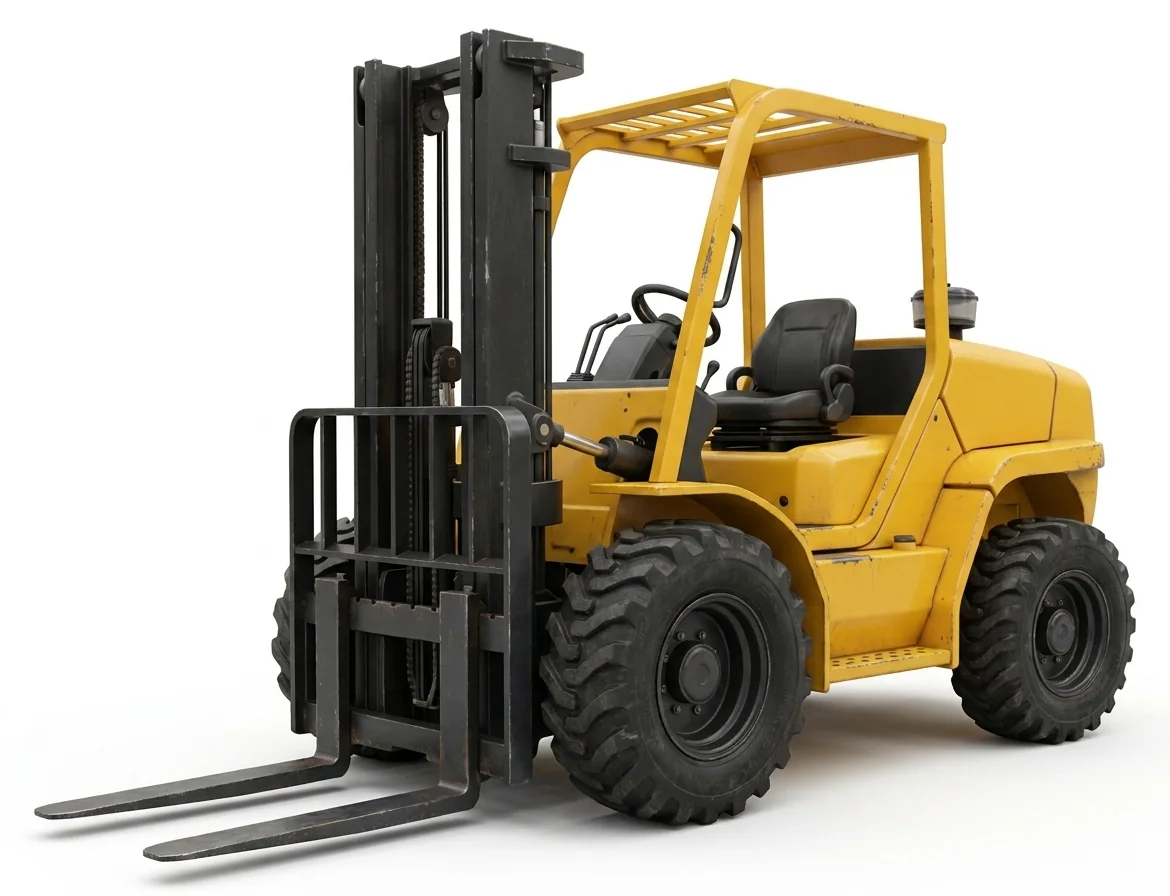
Map the route from staging to final placement. Note door clearances, ramp grades, dock plates, and any transitions from slab to exterior pavement. A cushion-tire electric unit fits clean indoor slabs; a pneumatic-tire internal combustion truck handles rougher yards and uneven approaches between buildings.
Local considerations
- River-side interiors: long runs, polished slabs, and racking that favors electric sit-downs or reach variants
- Mixed sites to the west: shorter aisles, grade changes, and more outdoor transitions where pneumatic tires and added ground clearance matter
Rain can leave slick thresholds and soft gravel shoulders near docks. Site procedures and the selected truck’s instructions define acceptable grades and surfaces.
Measurements to gather
- Load weight, dimensions, and center of gravity
- Aisle width at the tightest turn and door height at all passages
- Floor condition: sealed slab, joint spacing, and areas with moisture exposure
- Ramp grade and dock height changes, especially at exterior approaches
- Power and charging access for electrics vs. fuel logistics for combustion models
Forklifts vs. other material options
- For elevated placement beyond forklift mast limits, see /telehandler-rental/
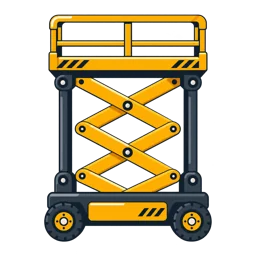
- For personnel access or overhead work near racks or conveyors, compare /vertical-mast-lift-rental/ and /electric-scissor-lift-rental/
Common Little Rock scenarios
- Pallet movement in large indoor distribution where zero on-site emissions and tight turning protect product and floors
- Mixed indoor-outdoor handling at smaller commercial sites with uneven aprons and periodic rain exposure