Start with the set location and surface
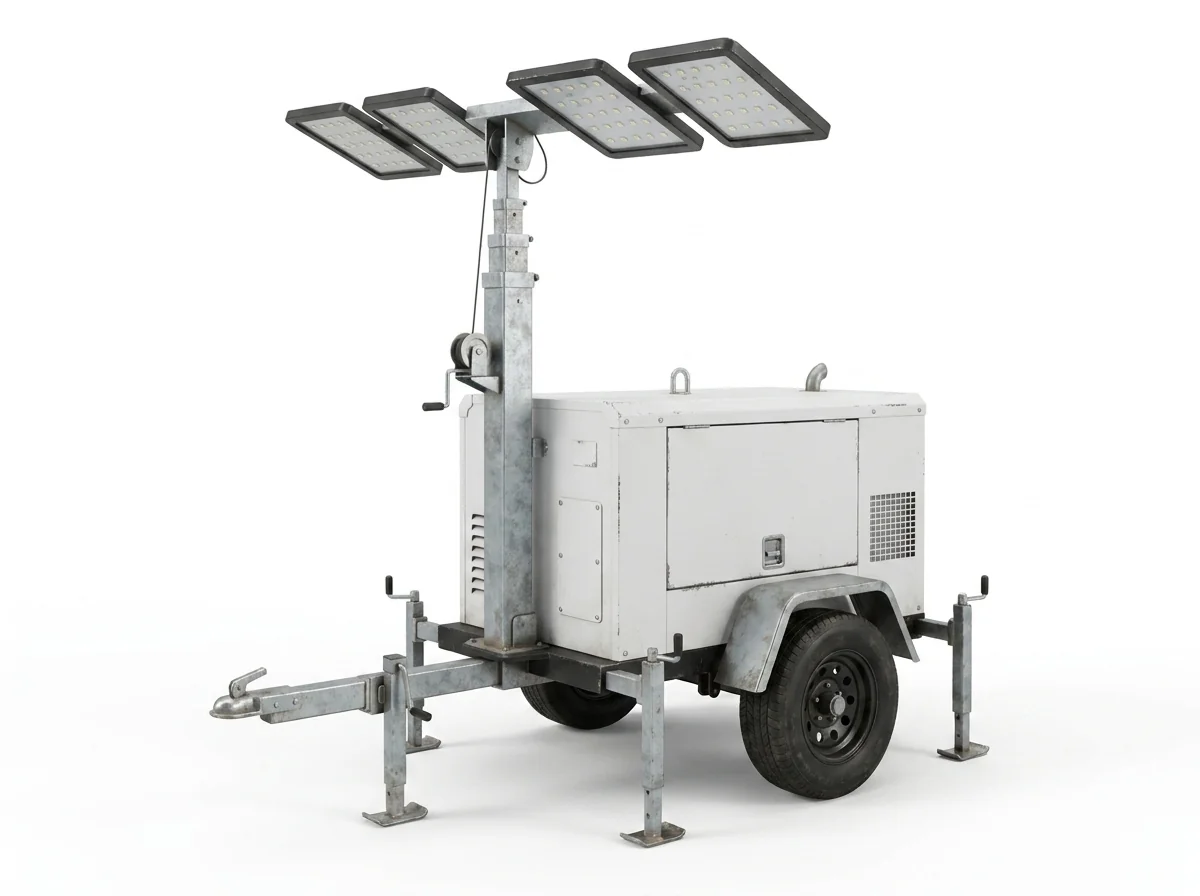
Where the generator or light tower can sit determines weight class, tire or skid type, and the size of any cable runs. On flatter industrial slabs near the river, space and access lanes usually support larger towable units. In the western hills, tighter drives and slope changes often push you toward compact frames that can stage on a level pad.
- Is the pad poured slab, compacted base, or saturated soil? High humidity and frequent rain in Central Arkansas can reduce bearing capacity, so overall ground pressure matters for wheeled light towers and larger gensets.
- Can a truck reach the staging point without steep cross-slope turns? If not, smaller footprints reduce rutting risk at entrances.
Power needs versus distance and ventilation
For indoor maintenance at healthcare and production sites, generator placement is governed by ventilation and exhaust routing. More distance from doors means longer cable runs and larger conductors, which typically points to a higher-capacity unit with adequate receptacle configurations.
- List the largest motor or panel you’ll feed and the starting load margin you need.
- Note door widths and ramp transitions for moving equipment through local distribution buildings.
Light coverage in mixed terrain
Open yards and laydown areas near industrial sites benefit from tall masts and wide beam patterns. In hilly commercial corridors, light spill can be blocked by grade breaks and tree lines, so multiple shorter masts placed on level pockets may give more even coverage.
- Map obstructions: slopes, parked trailers, and façade overhangs change shadow lines.
- Consider prevailing damp conditions; glare off wet pavement can reduce perceived illumination, making uniformity more important than peak brightness.
Noise, emissions, and schedule windows
Near clinics or office parks, quiet packages and appropriate exhaust direction can matter as much as kilowatts. After rainfall, night work may be preferable for access; ensure your plan accounts for extra cord protection across wet surfaces.
When aerial tasks are involved
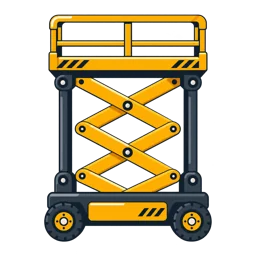
If lights must be aimed or fixtures serviced at height, confirm whether the work can be reached by a platform positioned below the task. Flat interior slabs favor electric scissor lifts (/electric-scissor-lift-rental/), while uneven outdoor staging may require rough-terrain scissor units (/rough-terrain-scissor-lift-rental/) or a boom with outreach (/boom-lift-rental/).
Quick checklist to narrow options
- Set location: interior, slab exterior, or soft ground
- Maximum current draw and receptacle needs
- Cable run length and routing
- Mast height and number of towers for uniformity
- Access route width, grade, and turning radius
- Noise and exhaust limits near sensitive uses
For a broader view of site support categories, see /products/.