Start with placement and ground support
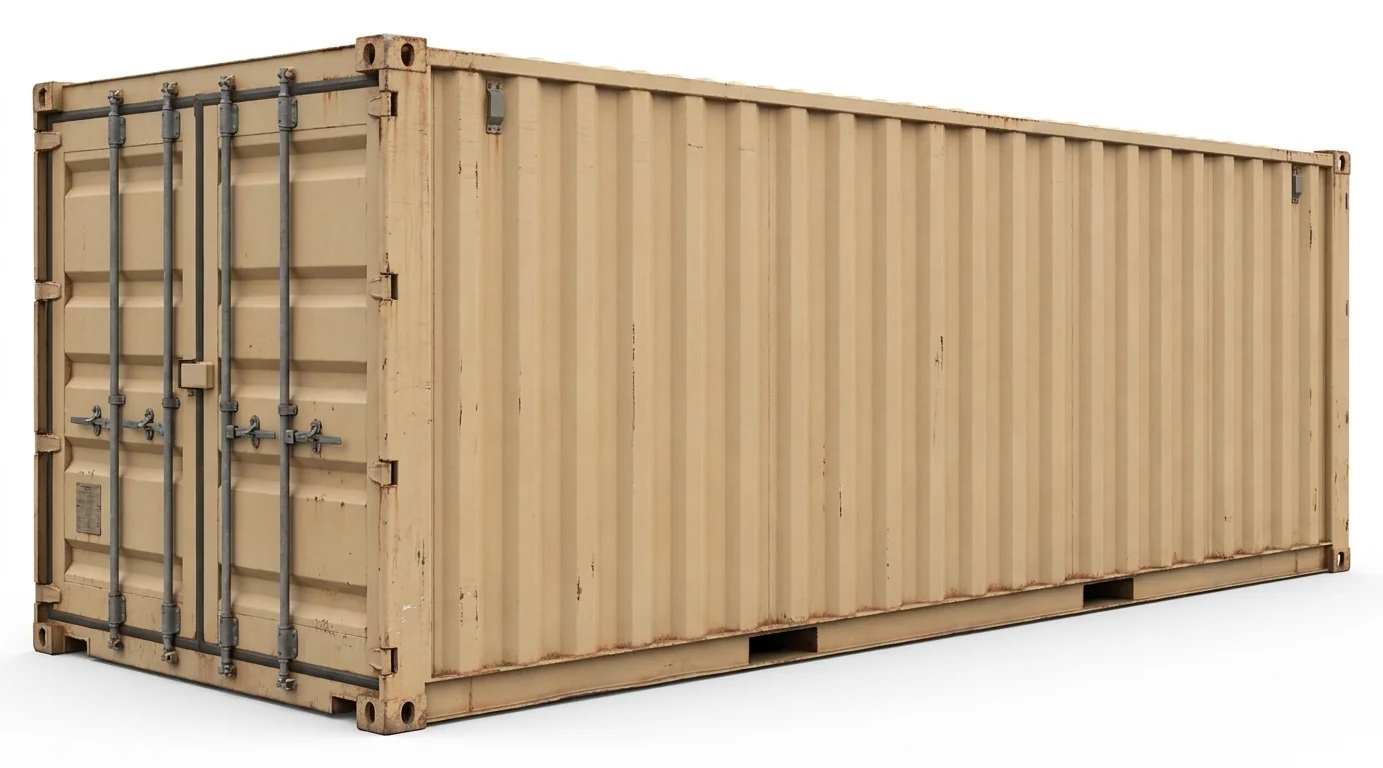
The most important choice is the pad. On riverplain slabs and well-compacted yards, long containers are practical and easy to align. On rolling or partially paved sites, shorter boxes reduce grading needs and fit into level pockets. Frequent heavy rain can soften base layers, so consider overall ground pressure and drainage to keep doors square.
- Identify the final door swing area and any nearby slopes that could shift the box when soils are saturated.
- Confirm turning room for delivery: narrow drives and cross-slope approaches in the hills can restrict trailer length.
Access pattern and door configuration
Facility maintenance and light manufacturing often need frequent in-and-out movement of parts and tools. If the container sits on a slab near indoor work, standard double doors may be sufficient. For outdoor staging where forklifts shuttle pallets, wider approaches and high-traction surfaces help keep entry level and safe under wet conditions.
- Note the equipment handling the load. Pallet entry on soft ground is harder; slab placement or ramps may be required by site procedures.
- Consider lighting and power pass-throughs if the container supports night shifts or climate-sensitive supplies.
Size and security trade-offs
Larger boxes maximize volume but demand straighter approaches and more stable ground. Smaller units slot into compact lots and seasonal projects where site layout changes. In higher-traffic commercial corridors, visibility and responsible site management can deter tampering; final security measures follow site policy.
Coordinating with aerial and lift work
If the container supports an elevated task—filters, signage, or mechanicals—plan the set so lifts can stage nearby without blocking doors. Flat, interior work commonly pairs with electric scissor lifts (/electric-scissor-lift-rental/). Uneven outdoor approaches may require rough-terrain scissor units (/rough-terrain-scissor-lift-rental/) or a telehandler for material placement (/telehandler-rental/).
Quick checklist to narrow options
- Pad type and drainage after heavy rain
- Trailer access: width, grade, and turn radius
- Door clearance and forklift route
- Item lengths and pallet configuration
- Visibility needs and site security policies
Explore related site products at /products/.