Start with the line of sight
The key question is whether a direct line from ground to task is open. If the face is clear—no overhangs, no pipe racks, no tree canopies—a telescopic boom delivers faster extension and steadier platform positioning than an articulating unit at the same height.
Local surface conditions
- River-side industrial pads: long, flat runs suit larger booms and allow consistent set-back distances
- West-side grades: expect crowns, swales, and curbs that may reduce where the chassis can park
Frequent rain can soften shoulders and gravel. Ground bearing capacity, drainage near catch basins, and any slope limitations in the selected lift’s instructions govern whether the set-up holds through the work window.
Dimensions to collect
- Required platform height and horizontal reach along a straight path
- Minimum set-back available from the work face without dropping into swales or planters
- Width and turning radius through gates and around dock corners
- Wind exposure around open elevations and building corners per the unit’s designated rating
- Fuel or power type appropriate to indoor/outdoor status and local emissions expectations
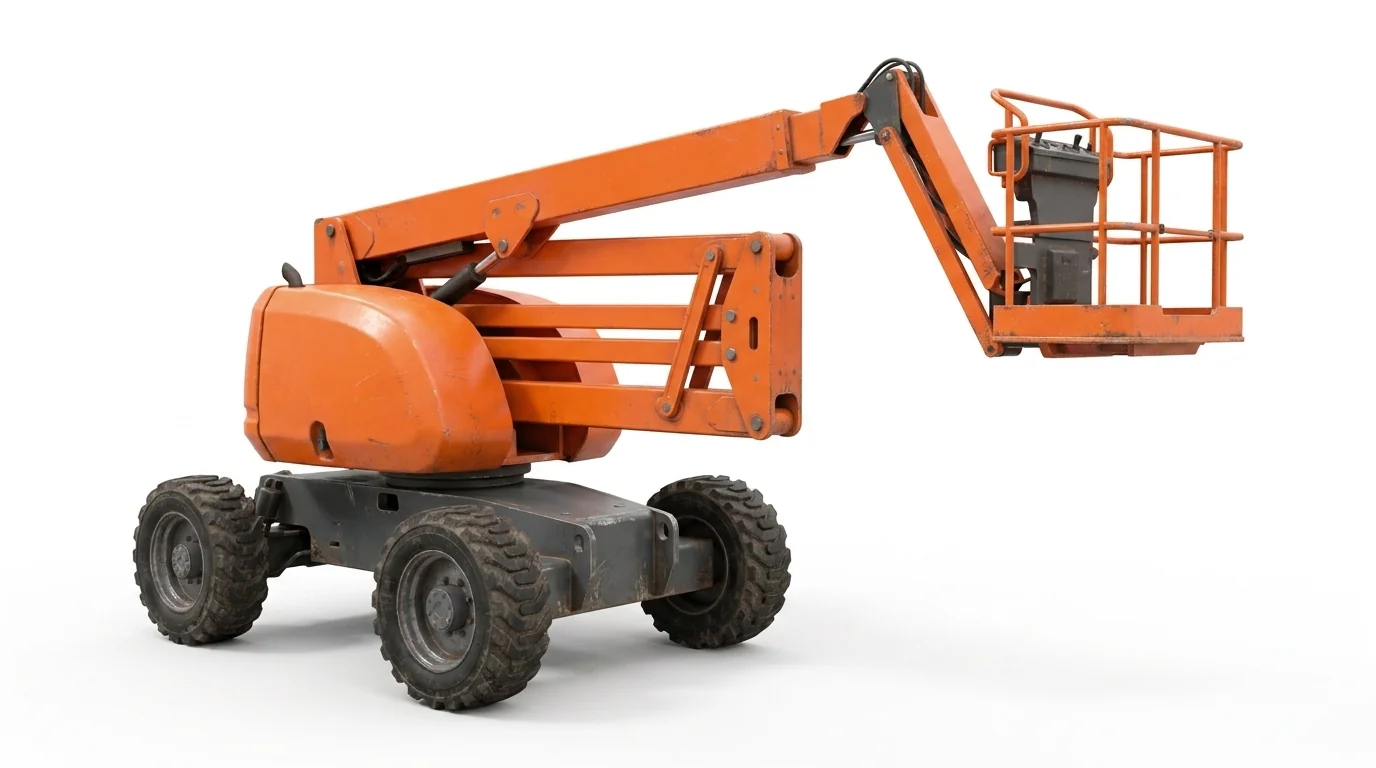
Straight vs. articulating tradeoffs
- Telescopic: best for long, unobstructed reaches; faster to position on clear elevations
- Articulating: better when the path is blocked or the platform must land behind an edge; see /articulating-boom-lift-rental/
Typical Little Rock use cases
- Panel replacement and facade cleaning on industrial sites with consistent slab approaches
- Lighting and sign maintenance on shopping fronts where a straight shot exists from a stable parking lane
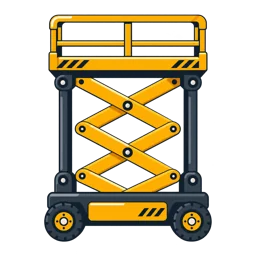
For vertical access with more platform space on slabs, consider /electric-scissor-lift-rental/. For mixed exterior approaches on softer ground, compare /rough-terrain-scissor-lift-rental/ and /aerial-lift-rental/ for alternatives.