Define the placement first
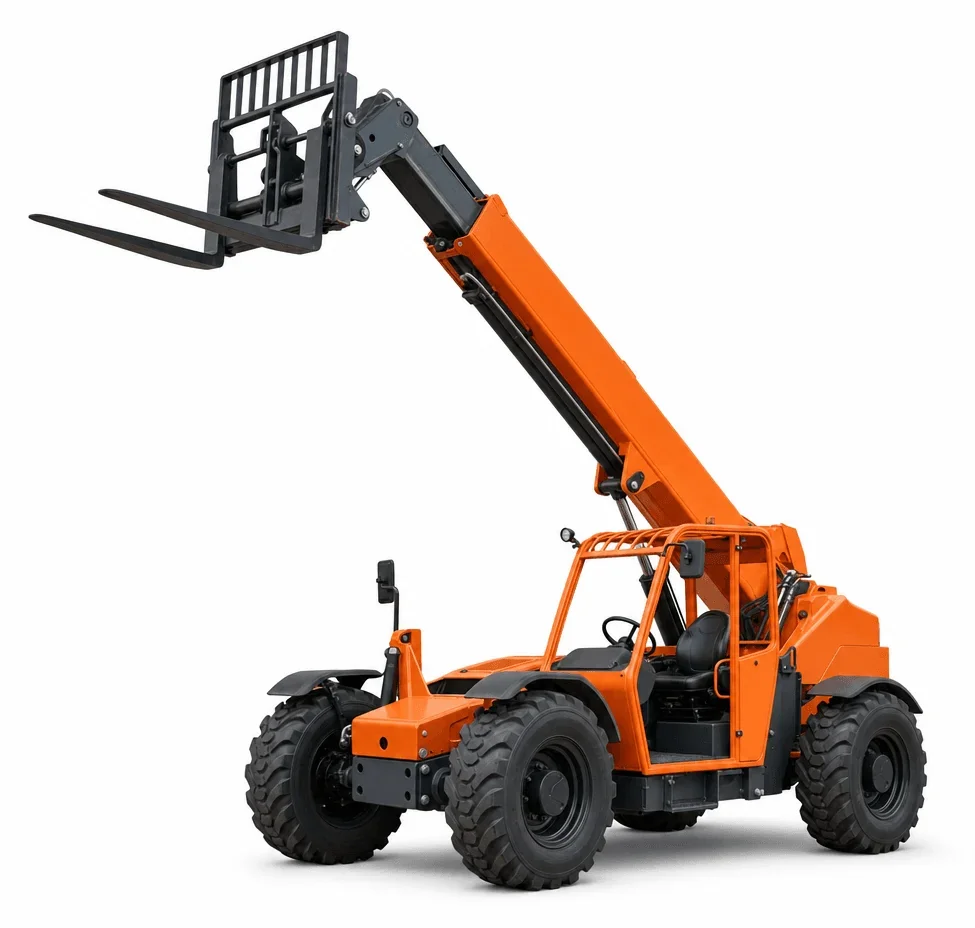
Identify where the load must land: dock height, second-floor edge, or roof curb near a parapet. Then confirm how close the chassis can park. Forward reach at the required height dictates the class. A shorter, higher-capacity machine can outperform a long-reach unit if the approach lane is reliable and close.
Local surfaces and weather
Frequent rain and humidity can soften subgrades around new construction. On industrial pads near the river plain, hard surfaces support higher capacities and tighter turning. On rolling west-side sites, crowned drives and berms change approach angles and may reduce rated capacity at reach. Site procedures and the selected machine’s instructions govern acceptable set-up.
Measurements that narrow the class
- Maximum load weight and load dimensions at placement
- Fork or carriage type required by the material and landing condition
- Lift height and forward reach at that weight per the load chart
- Approach width past utilities, islands, and temporary fencing
- Ground bearing, especially on fresh backfill or after rain
Telehandler vs. alternatives
- For straight-up personnel access, see /boom-lift-rental/, /articulating-boom-lift-rental/, or /telescopic-boom-lift-rental/
- For indoor pallet movement on finished floors, see /forklift-rental/
Typical Little Rock moves
- Staging mechanical units over curbs on slab-ready industrial sites
- Delivering masonry or framing bundles to elevated decks on sloped pads with variable access
For site logistics beyond equipment, consider /storage-containers-rental/ for ground storage and /temporary-fencing-barricades-rental/ to manage traffic paths.