When an articulating boom fits the job
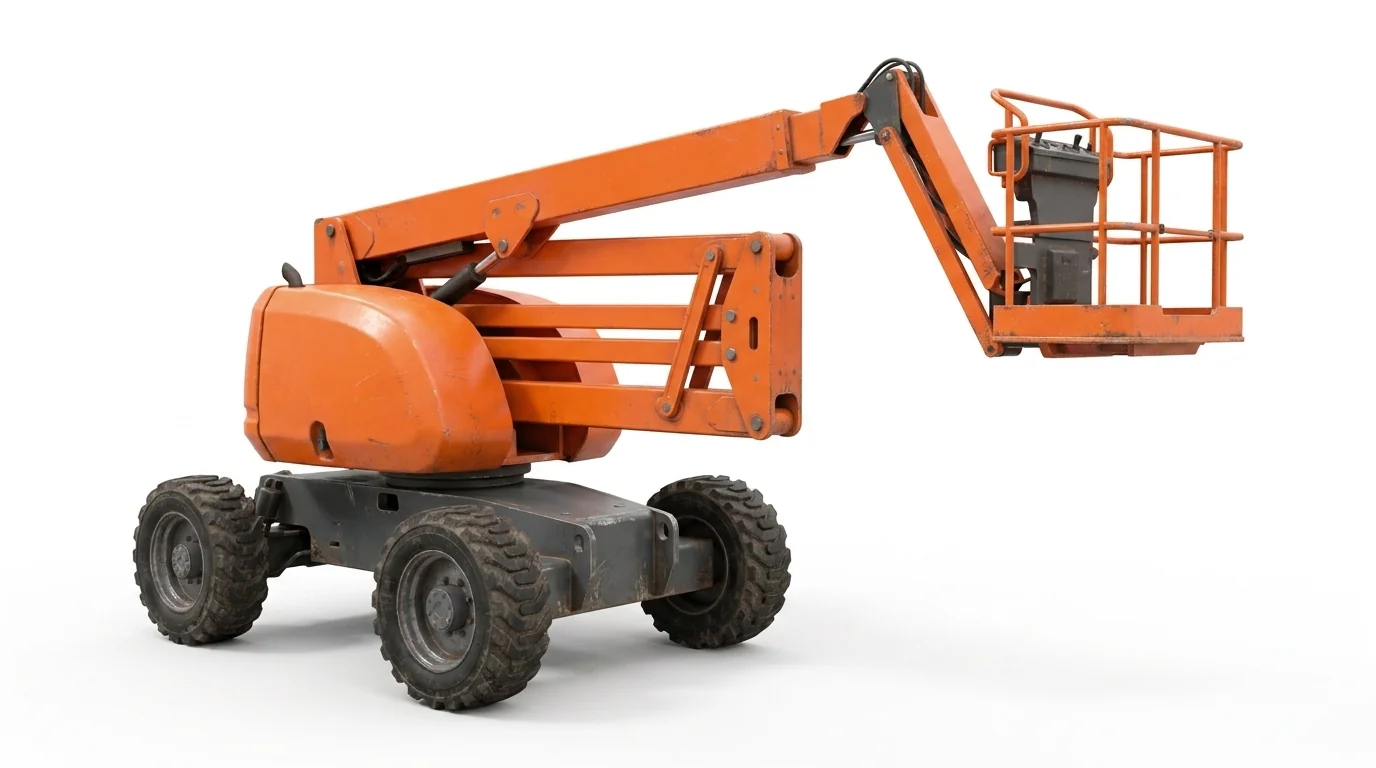
Start with the question: can the machine sit below the task? If not—because a parapet, pipe rack, awning, or equipment line blocks a straight shot—an articulating lift’s knuckles clear the obstruction and place the platform where a scissor or straight boom cannot.
Common local uses include: - Interior maintenance around mezzanines or ductwork in local distribution buildings - Exterior signage and lighting over setbacks along hilly retail pads - Mechanical changeouts where equipment yards crowd the approach
Local ground and weather factors
Central Arkansas sees frequent heavy rain and periods of soft topsoil. On paved slabs near the river plain, electric or hybrid articulating units with non-marking tires protect finished floors. On mixed gravel or landscaped grades in West Little Rock, rough‑terrain models with oscillating axles and higher ground clearance handle uneven approaches. In either case, site conditions, the selected unit’s instructions, and your procedures determine if the set-up is acceptable.
Measurements that narrow the choice
Answer these before calling: - Vertical obstruction height and offset: how far out and up must the boom reach to clear an edge, canopy, or pipe run? - Setback distance: how far the chassis must park from the building line or equipment curb - Platform height and horizontal reach needed to work without over-stretching - Indoor vs. outdoor use: power source, tire type, and emission requirements - Approach width and turning space between bollards, islands, and dock equipment - Surface bearing capacity after rain and whether mats are planned by site management
Articulating vs. other aerial options
- Versus straight booms: better at up-and-over in congested footprints; typically shorter overall reach
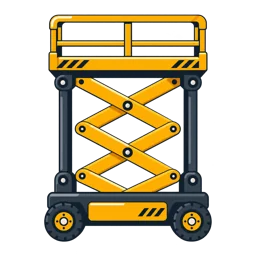
- Versus scissor lifts: fewer deck square feet but superior obstacle clearance
If most work is straight out on a clear face, see /telescopic-boom-lift-rental/. For slab-only vertical access with wider platforms, see /electric-scissor-lift-rental/.
Regional project patterns
Large indoor facilities around the river corridor tend to favor compact electric articulating units for aisle access and maintenance above conveyor lines. West-side exterior projects on rolling sites often need rough‑terrain articulation to place workers above fascia or sloped parking segments without crowding planters and curbs.