Start with geometry
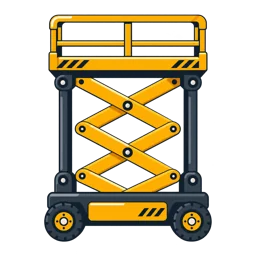
- Straight-up work with room directly beneath: a scissor lift. Compare indoor units at /electric-scissor-lift-rental/ and exterior units at /rough-terrain-scissor-lift-rental/.
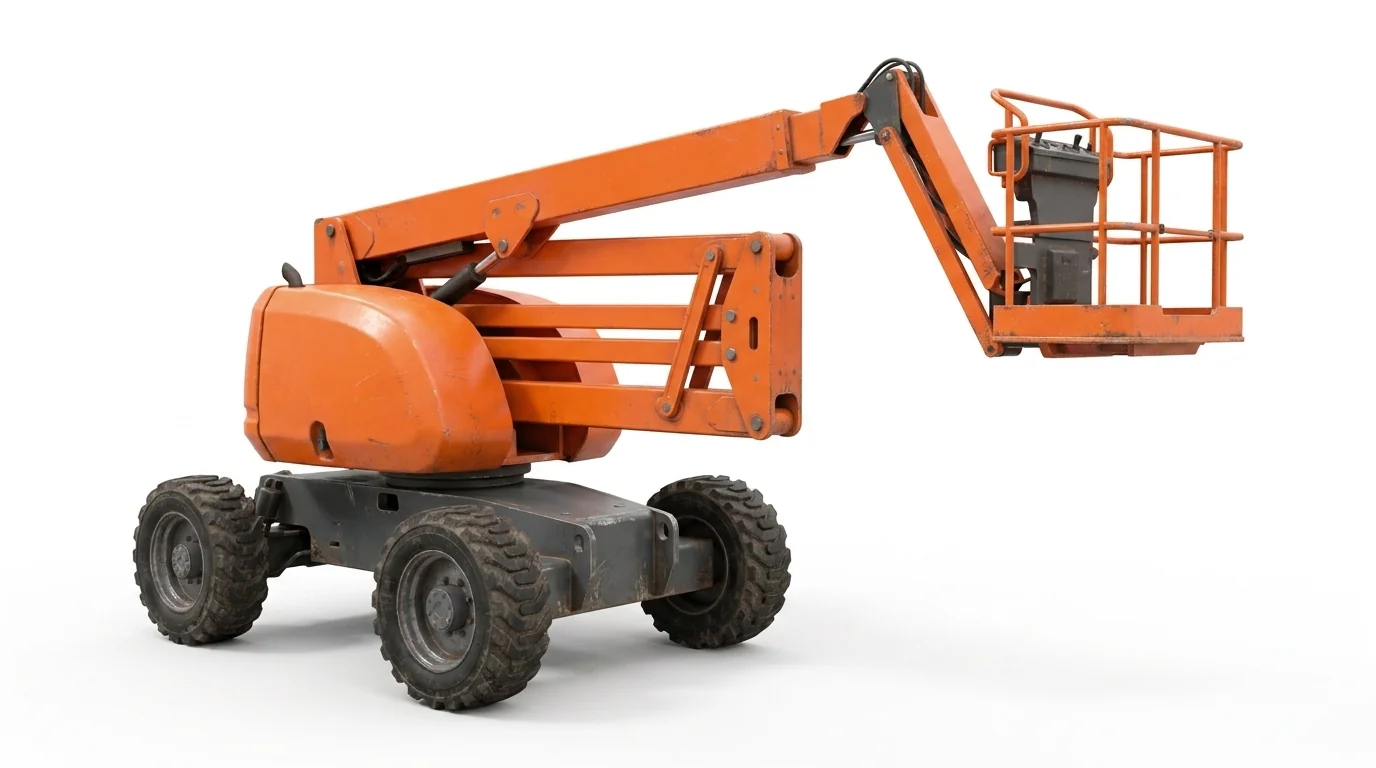
- Up-and-over around awnings, trees, or equipment: an articulating boom for flexible positioning. See /boom-lift-rental/ and the subcategories at /articulating-boom-lift-rental/.
- Long horizontal reach across setbacks or open yards: a telescopic boom. Learn more at /telescopic-boom-lift-rental/.
Local conditions that change the pick
- Slab interiors in distribution buildings call for non-marking tires and compact widths; floor loading and door heights may cap machine size.
- Rolling terrain in western commercial corridors and frequent rain create soft approaches. Rough-terrain chassis, ground pressure, and allowable slope per the unit’s instructions and site procedures become central.
- Wind exposure on open pads around industrial sites can limit platform operations; verify model-specific allowances.
Capacity, width, and reach tradeoffs
- Platform size vs. access pinch points: Wider decks carry more materials but may not clear doors or fencing.
- Working height vs. stowed height: Taller machines can struggle with low entries or mezzanines.
- Horizontal reach: Where the machine cannot sit beneath the task, compare articulating vs. telescopic booms based on obstacle layout and needed outreach.
Typical Little Rock applications
- Lighting and MEP service in large indoor facilities.
- Exterior sign and façade work along sloped parking fields.
- Mechanical upgrades at industrial sites with mixed ground conditions.
Call (501) 770-2580 to review obstacles, routes, floor ratings, and grades so the lift type aligns with local conditions before selecting a size.